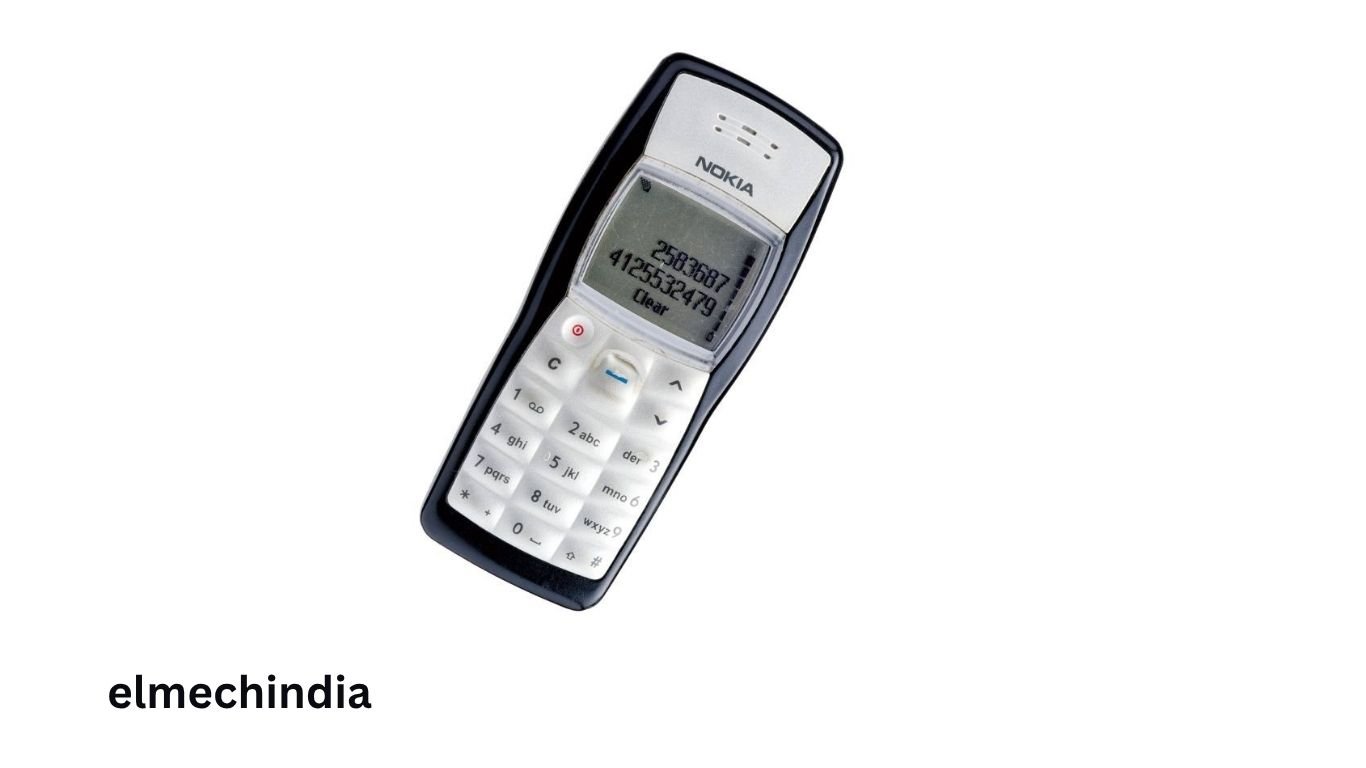
In the age of foldable smartphones and AI-driven communication, it might seem strange to look back at a simple, monochrome device. Yet, the Nokia 1100 stands as one of the most influential and beloved mobile phones in history. Launched in 2003, it was designed to meet the growing demand for affordable and durable mobile phones in emerging markets. The Nokia 1100 did more than just meet that demand—it set a record by becoming the best-selling mobile phone of all time, with over 250 million units sold globally.
This article explores the history, features, legacy, and continued relevance of the Nokia 1100. For anyone interested in mobile technology evolution, this device offers invaluable insights.
A Glimpse into the Past: Launch and Purpose
When Nokia released the 1100, the mobile phone industry was already evolving rapidly. Companies were starting to release phones with color screens, cameras, and mobile internet capabilities. However, these features were often inaccessible to a significant portion of the global population due to high costs and unreliable infrastructure.
The Nokia 1100 was engineered for simplicity. It was targeted at users who needed a basic device for calling and texting. More importantly, it was built to withstand tough conditions, with features like a dust-proof keypad and non-slip grip.
Specifications and Features
Despite its minimalism, the Nokia 1100 came packed with practical and user-centric features. Here’s a detailed look:
Table: Nokia 1100 Specifications
| Feature | Details |
|---|---|
| Release Year | 2003 |
| Network | GSM 900/1800 |
| Dimensions | 106 x 46 x 20 mm |
| Weight | 86 grams |
| Display | Monochrome graphic, 96 x 65 pixels |
| Battery | Removable Li-Ion 850 mAh (BL-5C) |
| Talk Time | Up to 4 hours 30 minutes |
| Standby Time | Up to 400 hours |
| Internal Memory | Up to 50 messages and 50 contacts |
| Ringtones | Monophonic, user-customizable |
| Flashlight | Yes (rear top of the phone) |
| Games | Snake II, Space Impact |
| Keypad | Dust-resistant, tactile rubber design |
These specs reflect the essence of what users needed at the time: durability, reliability, and simplicity.
Design: Minimal Yet Functional
The Nokia 1100’s design was a testament to its purpose. The rubber keypad was resistant to dust and moisture, and the device’s small form factor made it highly portable. Its screen was a basic monochrome display, but it was crisp enough for text messages and the famous Snake II game.
Perhaps its most adored feature was the built-in flashlight, which became a lifesaver in many regions where power outages were frequent.
The phone came in various colors, such as black, blue, and white, adding a bit of personality to its otherwise utilitarian appearance.
Why It Became a Global Phenomenon
The Nokia 1100 didn’t just sell—it conquered markets. Here’s why:
1. Affordability
Priced competitively, it was one of the most affordable mobile phones at launch. Its price-to-functionality ratio was unmatched.
2. Battery Life
With a battery that could last days on a single charge, the Nokia 1100 became the ideal companion for users in areas with limited access to electricity.
3. Durability
Stories of the Nokia 1100 surviving drops, spills, and even floods are common. Its rugged design made it suitable for all environments.
4. User-Friendly Interface
The user interface was intuitive, requiring minimal learning even for first-time phone users.
5. Global Appeal
From rural villages in Africa to urban areas in Asia and South America, the Nokia 1100 reached users everywhere. It transcended language and literacy barriers with its simplicity.
The Cultural Legacy of Nokia 1100
Over time, the Nokia 1100 became more than just a device—it became a cultural icon. In many countries, owning a Nokia 1100 was synonymous with having joined the modern world. For countless people, it was their first introduction to mobile communication.
Even today, memes and online communities celebrate its durability and nostalgic value. It is often humorously referred to as “indestructible” or “the phone that could survive a nuclear blast.”
Myths and Controversies
Despite its humble image, the Nokia 1100 was at the center of a curious episode in 2009. Reports surfaced that certain models of the Nokia 1100 manufactured in a specific plant in Germany were allegedly being sold for up to $30,000 on the black market. The reason? Claims that those units could be reprogrammed to receive SMS messages intended for other numbers—allegedly useful for hacking or fraud.
Though Nokia denied any widespread vulnerability, the incident added a mysterious edge to the phone’s legacy.
Comparison to Modern Phones
It’s easy to laugh at the Nokia 1100 when compared to today’s feature-rich smartphones. But it’s essential to recognize that the purpose of the 1100 was entirely different.
Table: Nokia 1100 vs. Modern Smartphone (2025)
| Feature | Nokia 1100 | Modern Smartphone (2025 avg.) |
|---|---|---|
| Display | 96×65 px, monochrome | OLED, 6.5″, 2K+ resolution |
| Battery Life | 3–5 days | 1–1.5 days |
| Camera | None | 50–200 MP multiple lenses |
| Apps | None | Thousands (via app stores) |
| OS | Nokia OS (Series 30) | Android / iOS / HarmonyOS |
| Cost | <$50 (then) | $700+ |
| Durability | Extremely high | Moderate (glass screens) |
| Connectivity | 2G (GSM) | 5G, Wi-Fi 6E, Bluetooth 5.3 |
Environmental Impact and Longevity
Another point often overlooked is the environmental impact. The Nokia 1100 had a significantly lower carbon footprint compared to modern smartphones. It was rarely disposed of quickly. Many units were used for 5 to 10 years, passed down between users, or sold in second-hand markets.
Its long lifespan and minimal reliance on energy-intensive components made it a low-impact device. In today’s era of sustainability concerns, the Nokia 1100 stands as a model of eco-friendly design.
Is There a Market for Nokia 1100 Today?
Surprisingly, yes. There is a niche but steady demand for the Nokia 1100 even today. Here’s why:
- Collectors: Many tech enthusiasts collect retro phones.
- Security: Some users prefer basic phones to avoid tracking and digital surveillance.
- Simplicity: For people tired of digital overload, the 1100 offers a “digital detox.”
- Backup Phones: Their reliability makes them excellent backup devices.
Additionally, some refurbished units are still being sold in various markets, especially in developing countries.
Lessons from the Nokia 1100
- Know Your Audience: Nokia succeeded by deeply understanding the needs of their target users.
- Simplicity Wins: In a world chasing complexity, sometimes the simplest solutions are the most powerful.
- Durability Matters: Building things to last creates customer trust and long-term brand equity.
- Innovation Isn’t Just Features: Innovation can also mean making technology more accessible.
Conclusion
The Nokia 1100 is more than a relic of the past. It is a symbol of accessible, durable, and human-centered design. In an era where phones are mini-computers, this little device reminds us that communication is what truly matters.
It didn’t have a camera, an app store, or even a color screen—but it connected the world in ways few devices ever have. Whether you’re a collector, tech historian, or someone curious about the roots of mobile technology, the Nokia 1100 stands out as a masterpiece of purposeful engineering.